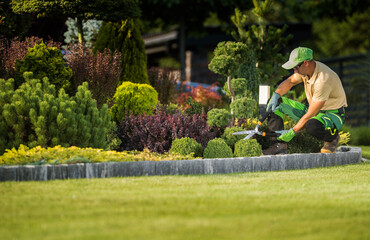
A weed infestation can quickly choke out grass, leading to dead patches. Landscaping services often include hand-weeding and herbicide treatments.
Aerating soil, adjusting watering schedules, and fertilization all help revitalize dying lawns. Overseeding fills in bare spots with new, healthy grass varieties. Contact Landscaping Services Honolulu HI for more details.
1. Drought
Many homeowners struggle with the problem of dead grass. Even when they water, weed, and mow their lawns properly, it seems that every summer their grass gets brown, patchy or even dies altogether. The reasons behind this are myriad, and can be related to diseases, pests, soil issues, and environmental concerns.
One common reason why your lawn keeps dying is that you are in a drought. Droughts are defined as periods of less-than-average rainfall or low levels of available water, and the effects can be felt across all types of environments. They can include food shortages, water-supply problems, habitat degradation and a decrease in biodiversity.
While droughts can be caused by weather events such as El Nino, they are also often the result of climate change. Global warming is thought to lead to more droughts by altering the normal distribution of rain. As temperatures rise, the tropics and higher latitudes are predicted to become wetter, while areas in the subtropics are expected to get drier.
In addition to the effects of climate change, droughts can also be exacerbated by local factors such as land use and the type of vegetation. For example, urban development often results in reduced tree coverage and higher temperatures, which can make it harder for trees to survive during a drought.
To avoid a drought, try to limit the amount of water you use on your yard, and only water when necessary. If you do need to water, be sure to do it early in the day so that the moisture doesn’t evaporate before nightfall. Aim for 1 to 1.5 inches of water per week (during hot seasons), divided into two or three waterings.
2. Pests
When grass is stressed, damaged or overwatered it becomes more susceptible to insect infestation. Weakened grass often shows signs of pest damage, including brown patches and areas where the grass pulls up easily. Pests like grubs target the roots of the lawn, eating them from the inside out. Weakened grass is also more vulnerable to fungal infections such as brown patch or dollar spot.
Unlike drought or disease, pest-related damage often appears in irregular patterns across the yard. Check your lawn for chewed or irregularly cut grass blades, and pay attention to the presence of birds. Birds are natural predators of many lawn pests, and their presence usually indicates that the problem is insect-related.
If your lawn is covered with a slimy black or white substance, it may be infected with a fungal infection called slime mold. Slime mold is a common fungus that affects all types of grass, and it tends to show up in thick, circular patches. Infected grass turns brown and eventually dies.
In addition to fungus and pests, the presence of insects and weeds can also cause lawn discoloration. Weeds and bugs like slugs and snails feed on grass leaves and roots, leading to thinning and death. The presence of weeds and fungus can be indicative of poor soil conditions, but the best way to combat them is by using proper mowing techniques and regularly aerating and dethatching your lawn.
An excess of thatch, which is a layer of organic debris that builds up between the ground and the grass root zone, can prevent your lawn from growing properly. A thin layer of thatch is normal, but an excessive amount can restrict air flow and lead to nutrient deficiencies. The best way to remedy thatch build-up is by mowing frequently, watering deeply but infrequently and aerating regularly.
3. Soil Issues
If your lawn looks more like a field of straw than green grass, there are likely some issues with the soil. The most common issue is compaction, which occurs when soil particles are pressed together, restricting pore space and inhibiting root growth. This can be caused by heavy foot traffic, the use of heavy equipment, or even natural soil settling over time. Regardless of the cause, compacted soil limits airflow and water penetration, leading to weak grass roots that can’t handle temperature extremes or other stressors.
Another soil issue that can cause your lawn to turn brown is nutrient deficiency. Grass requires a constant supply of nutrients to grow and thrive, but these can be washed away with excessive rainfall or by overwatering. Using a fertilizer that’s specific to your lawn’s soil type and condition can help restore these vital nutrients to encourage healthy grass.
Standing water on your lawn after a rainstorm or irrigation is a sign that the soil is oversaturated. Overwatering suffocates grass roots, promotes fungal growth, and creates shallow roots that can’t handle hot weather. Aim to water your lawn weekly and ensure that an inch of water penetrates the ground, adjusting your sprinkler timers accordingly.
A thin layer of thatch is normal, but a thicker one can restrict airflow, preventing water and nutrients from reaching the soil. Regular aeration helps to break up dense thatch and allows for better airflow, promoting a healthier, greener lawn.
4. Irrigation Issues
If you find brown patches around the sprinkler heads, this is a sign that your irrigation system may not be working correctly. You need a proper watering schedule that encourages deep root growth and doesn’t allow your lawn to become over-saturated or fungal. Ideally, the best time to water is early in the morning, when temperatures are lower and the water won’t evaporate as quickly. Our team has the knowledge and expertise to provide a custom schedule that will help your lawn thrive.
Another common cause of dry grass is a lack of nutrients in the soil. This can happen when rain or irrigation wash away vital nutrients like nitrogen, phosphorus, and potassium. Without these essentials, your grass can look dull or brittle, and you might notice that weeds are thriving in areas where the grass isn’t. Adding fertilizer is one way to restore the health of your yard, but before you do that, we recommend getting your soil tested to determine what nutrients are missing.
Other issues that can contribute to a dry lawn include compacted soil, a buildup of thatch, poor mowing habits, or pest damage. Once you’ve identified the problem, it’s easy to take specific steps to improve the growing conditions. For example, if your soil is compacted or nutrient-deficient, aerating and amending the soil can help. If a grub infestation is causing bare spots, tackling that problem with a targeted grub killer can save your lawn. And if you’ve been battling with weeds, you can try a range of natural methods to get rid of them and prevent them from returning. By making these simple changes, you can bring your dead lawn back to life.
5. Overseeding
Overseeding is the process of spreading grass seed over an existing lawn to thicken it, fill in bare spots, and improve its health and appearance. It’s an essential part of routine lawn maintenance that also helps prevent thinning turf from disease, insects, and environmental stress. In addition to improving density, overseeding introduces newer, healthier grass varieties that are more resilient to these factors. This in turn chokes out pesky weeds and promotes deeper, healthier root systems for your turf.
Overseeding works best on cool-season grasses, such as fescue. This is because fescue can lose density over time due to heat and stress, especially in summer. Overseeding with a blend of fescue and warm-season species can help restore lawn density. It’s also a good idea to overseed with grass varieties that are well-suited to your region’s climate and soil conditions. This will ensure that the new seeds can thrive, even in harsher weather.
It’s important to properly prepare your lawn before overseeding, as this will help the new grass grow more quickly and densely. This includes de-thatching, aerating, and applying a balanced fertilizer. This will allow for better air, water, and nutrient penetration into the soil, which in turn leads to more robust, faster-growing grass.
Overseeding is best done in the early fall, when weather conditions are mild and conducive to fast grass germination and establishment. However, it can be done in the spring or early summer as well if your climate allows for it. If you want to take the hassle out of overseeding, hire a professional landscaping service to aerate, de-thatch, and overseed your yard for you. Once the grass has established, they can also handle mowing and regular lawn care, keeping your turf healthy, green, and beautiful all year round.